Island Pest Control
Termite Control
Island Pest Control: Comprehensive termite inspections and treatments in Nanaimo since 1976. Termites silently damage structural wood and building components, often going undetected until significant harm has occurred. Island Pest Control delivers expert termite inspection, targeted treatments, and long-term prevention strategies that protect your investment while minimizing environmental impact.
Common signs of termite activity
Mud tubes on foundation walls or piers
Hollow-sounding wood or blistering paint
Discarded wings near windowsills or light fixtures
Frass (small wood-colored pellets) — more common with carpenter ant activity
Soft spots in structural wood, sagging floors, or jammed doors
Ignoring rodent signs leads to escalating costs. A professional approach that combines removal, exclusion, and prevention is essential to stop recurrence and protect occupants and assets.
Why termite control
matters
Termites cause structural damage that can be expensive to repair. Because they often work inside walls and below ground, infestations may go unnoticed until serious damage is present. Early detection saves money, helps preserve structural integrity, and reduces the need for invasive wholesale treatments. Professional termite control combines accurate detection, effective colony suppression, and ongoing monitoring for best results.
Types of termites and regional relevance
On Vancouver Island, subterranean termites are the primary concern. These termites build mud tubes and forage through soil to access wood. Carpenter ants can also cause wood damage, but they do not consume wood the same way as termites; they excavate galleries while foraging for nesting sites. Proper identification is critical because treatment methods differ.





Our termite inspection process
Visual exterior inspection
01
We check siding, foundations, soil levels, mulch, and wood-to-soil contacts.
Interior inspection
02
We examine crawl spaces, basements, attics, structural framing, and accessible voids for signs and conducive conditions.
Use of tools
03
Moisture meters, probing tools, and where appropriate, borescopes or thermal imaging to inspect cavities.
Inspection report
04
You receive a detailed written report that documents findings, photos of evidence, and recommended treatment options.
Treatment options we offer
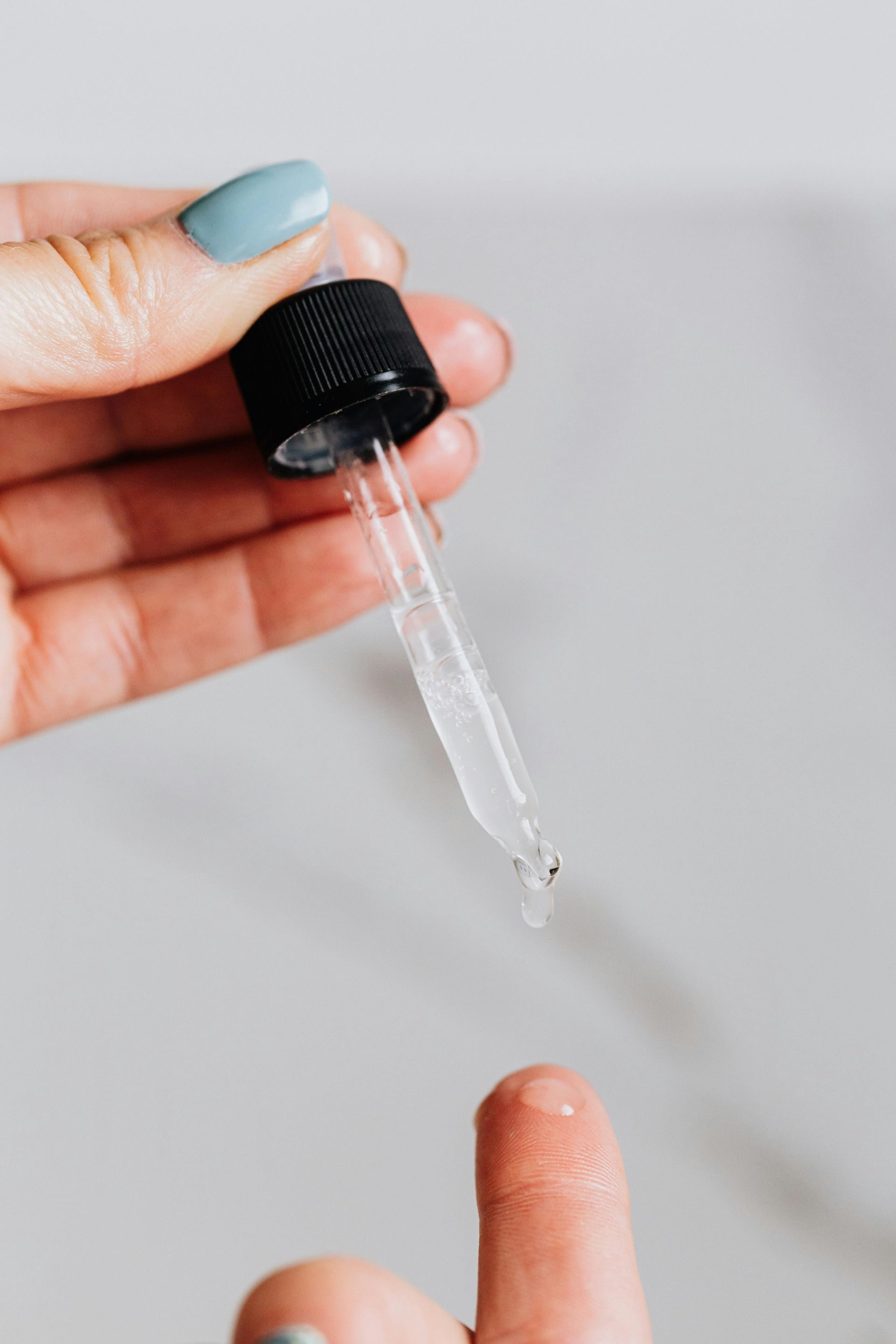
Localized liquid treatments
Spot soil or wood treatments to control active infestations without full-structure soil treatment.
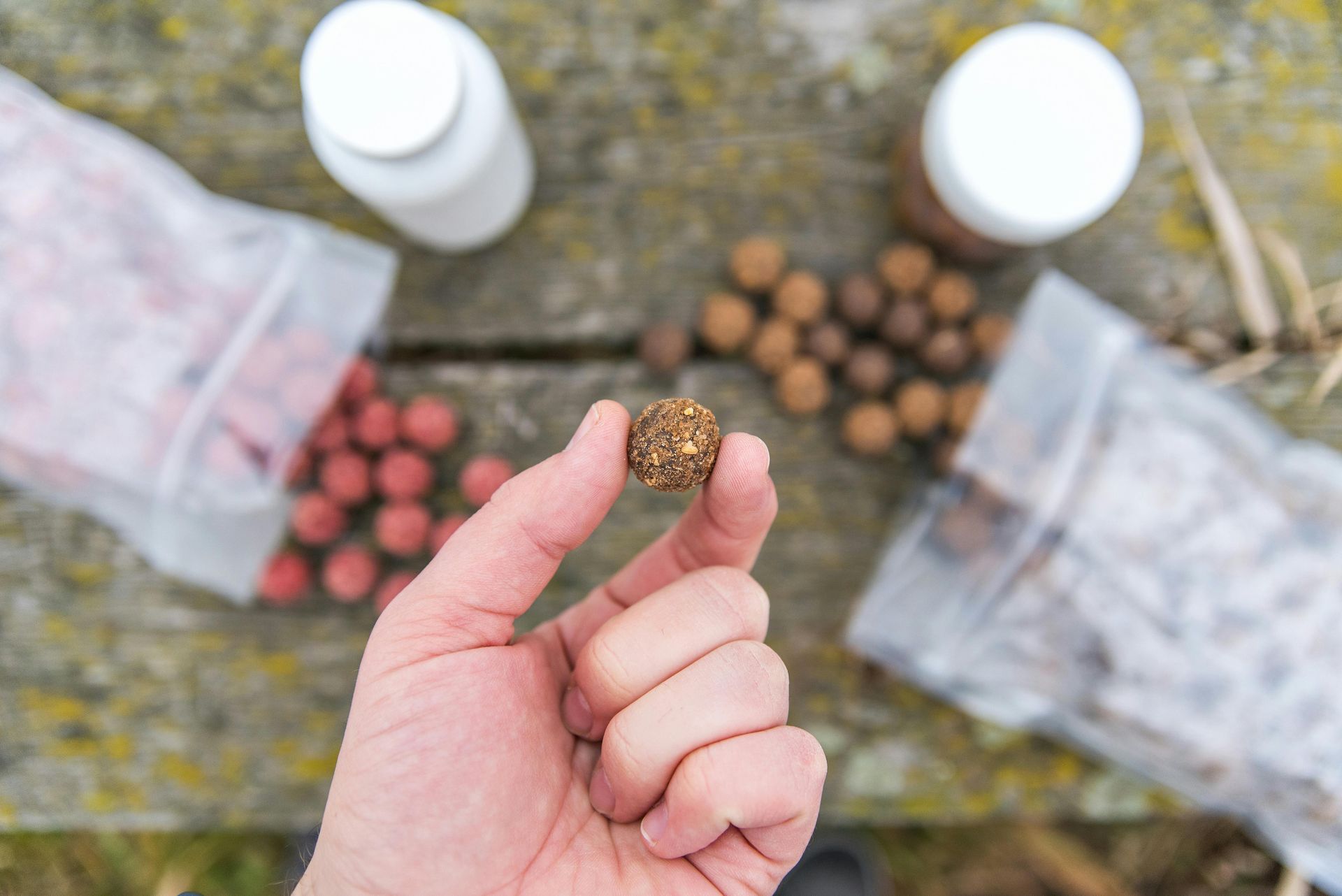
Baiting systems
Installed around the property to intercept foraging termites and target colonies with slow-acting agents that are shared with nestmates.
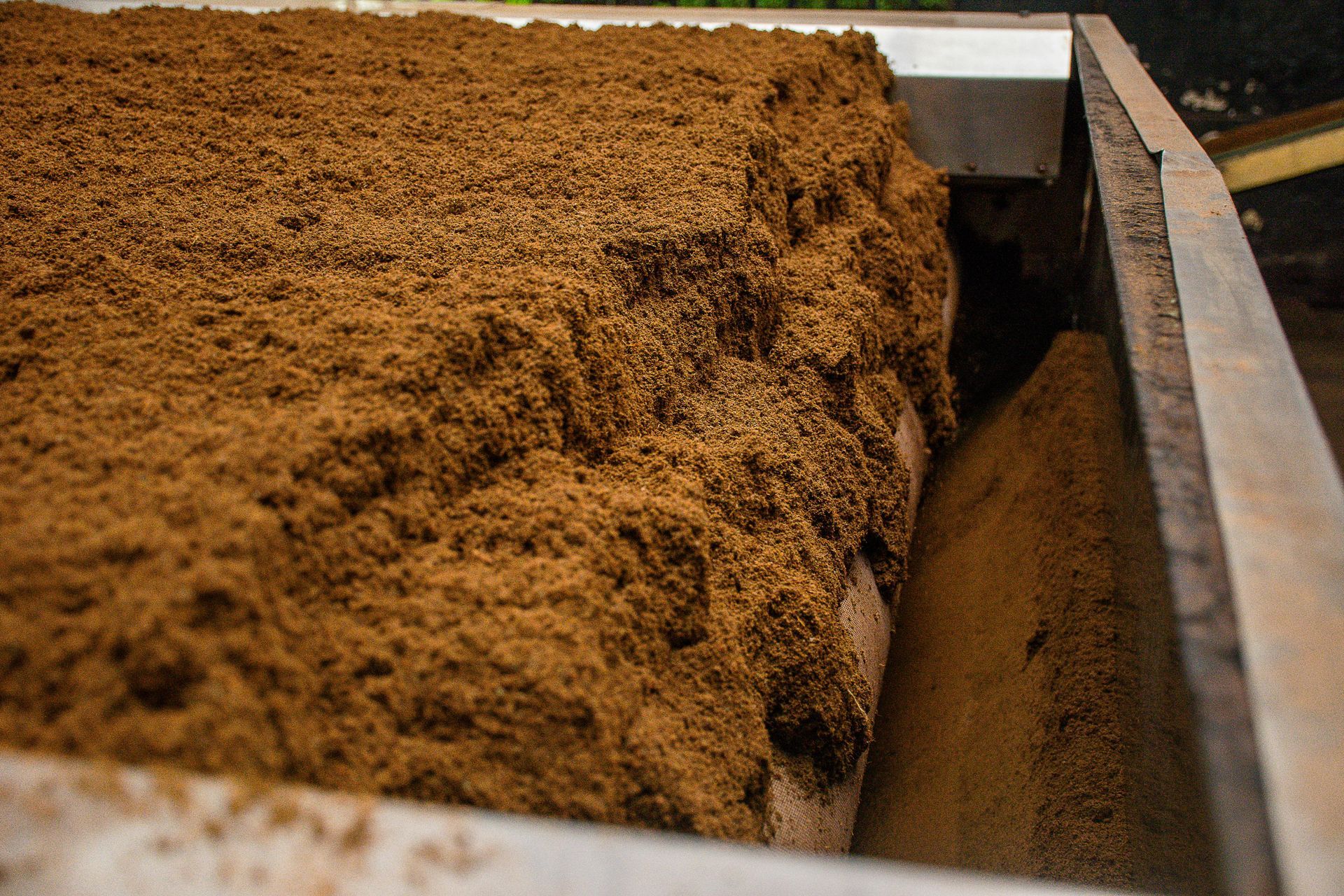
Soil treatment
Application of termiticide barriers in soil around foundation where appropriate.
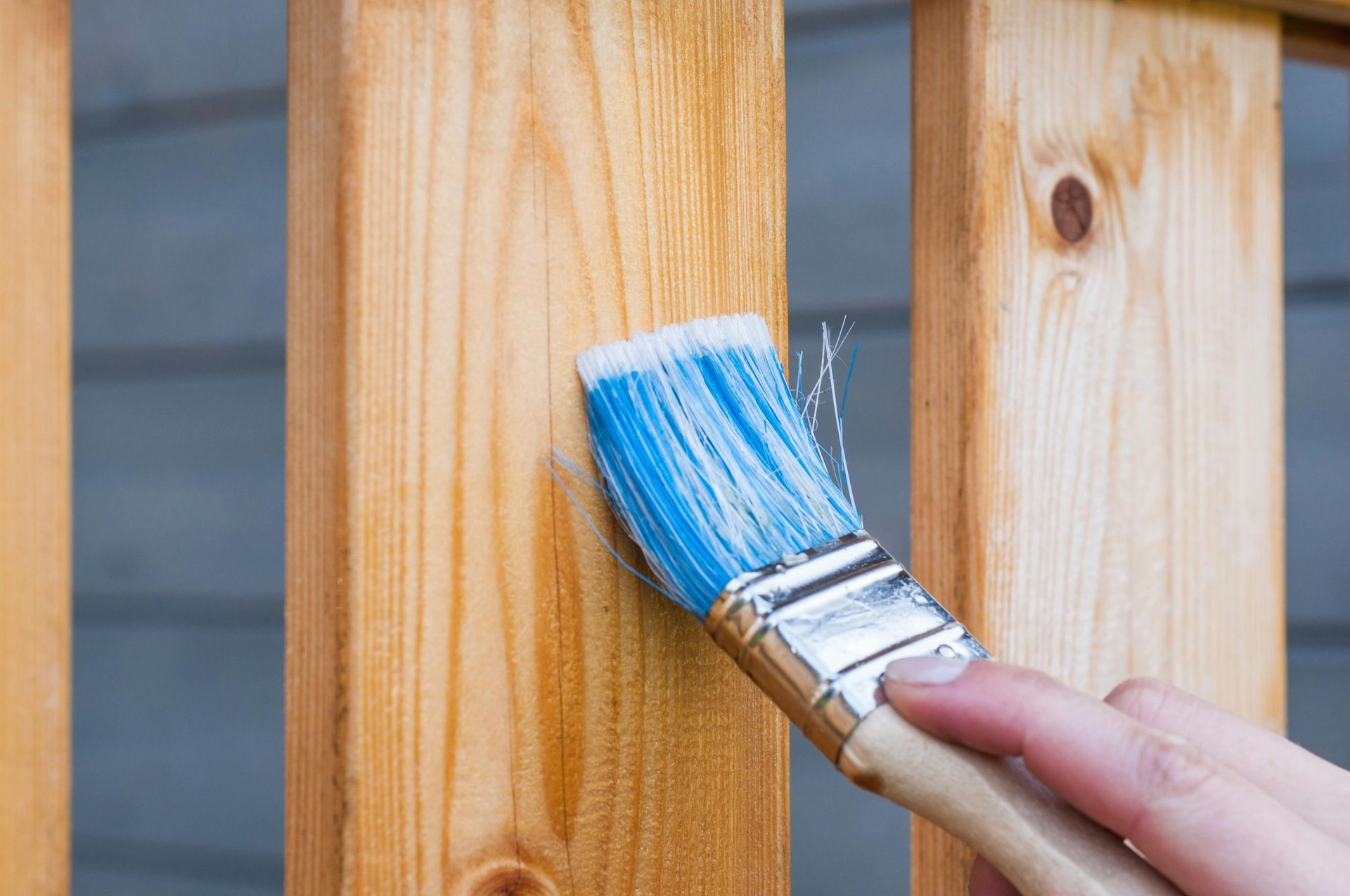
Wood treatment and repairs
We assess damaged wood and recommend repairs or replacement, coordinating with contractors when necessary.
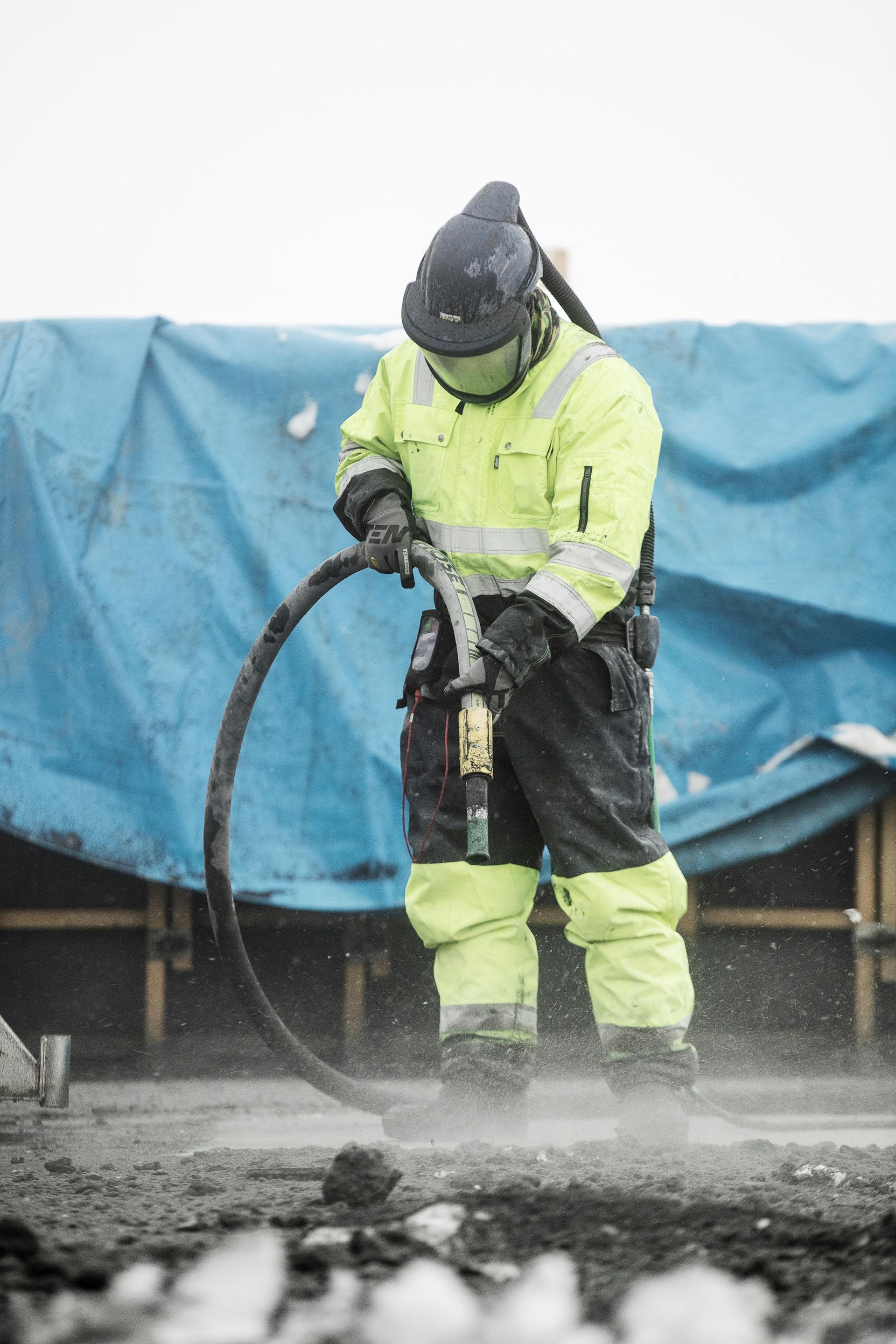
Pre-construction protection
For new builds, we advise on and install pre-treatments and physical barriers to reduce future risk.
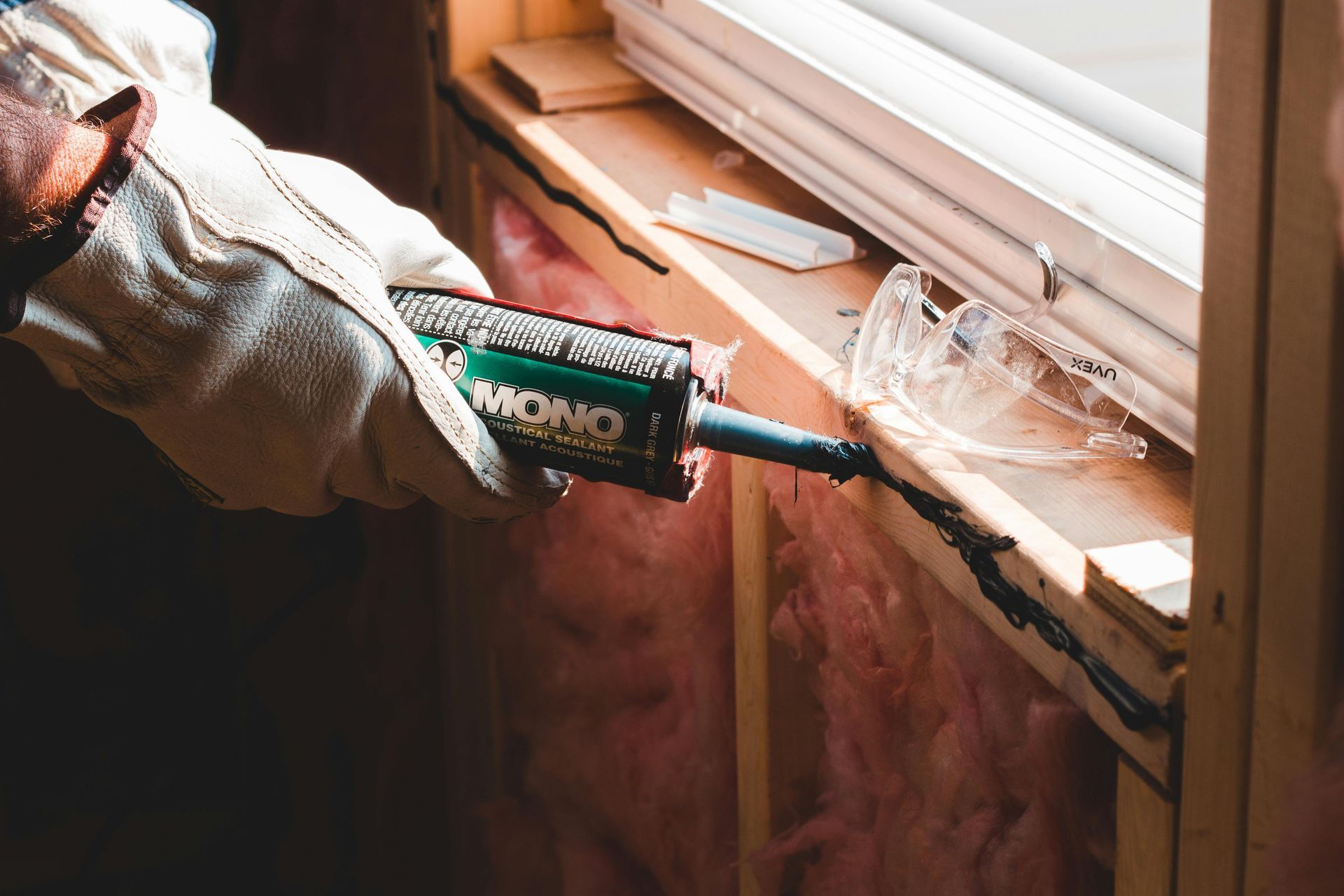
Attic and insulation recommendations
where rodents have contaminated insulation, we recommend remediation and can refer trusted contractors for cleaning and replacement.
Prevention strategies and property maintenance
Reduce wood-to-soil contact
Maintain at least a 15–30 cm gap between soil and siding or wood components.
Manage moisture
Fix leaks, ensure proper drainage, and ventilate crawl spaces.
Mulch and landscaping
Keep mulch away from foundation and maintain a buffer between beds and structure.
Regular inspections
Annual inspection is recommended for high-risk properties.
Case study — effective localized treatment (illustrative)
A homeowner discovers mud tubes on a basement wall. Our inspection confirms active subterranean termite activity localized to a section of foundation. We installed baiting stations around the perimeter and applied a targeted soil treatment at the infestation zone. Over several months, monitoring stations showed declining termite activity; continued monitoring is scheduled to ensure colony suppression. The homeowner also implemented recommended drainage corrections and replaced structural timber where damage was present.
Why baiting systems can be effective
Baiting systems can be a lower-impact option versus full-structure chemical barriers. Stations placed around the perimeter intercept foraging termites; consumed bait is returned to the colony, leading to colony-level suppression. Baiting suits properties where soil disturbance or chemical reliance needs to be minimized, and it supports ongoing monitoring.
Termite control for real estate transactions
We provide pre-purchase inspections and formal written reports for buyers and sellers. A timely termite inspection helps buyers make informed decisions and sellers address issues before listing. Our reports identify visible signs, suggest further investigative steps when needed, and estimate repair priorities.
Prevention strategies and property maintenance
- Reduce wood-to-soil contact: Maintain at least a 15–30 cm gap between soil and siding or wood components.
- Manage moisture: Fix leaks, ensure proper drainage, and ventilate crawl spaces.
- Mulch and landscaping: Keep mulch away from foundation and maintain a buffer between beds and structure.
- Regular inspections: Annual inspection is recommended for high-risk properties.
Inspection, treatment, and follow-up schedule
Termites often require an extended treatment and monitoring plan:
- Initial inspection and immediate control action (if found)
- Deployment of bait stations or localized treatment
- Follow-up inspections at 30, 60, and 90 days, then quarterly monitoring as dictated by activity
- Ongoing yearly inspections once activity is suppressed
Safety and environmental considerations
We prefer environmentally responsible treatment strategies when appropriate. Baiting systems offer low environmental exposure and targeted colony control. When liquid termiticides are needed, we follow label directions, apply them selectively, and document applications. Our goal is to protect structures without unnecessary chemical deposition.
Key benefits of our termite control service
Early detection that prevents extensive damage and expensive repairs
Targeted treatments that minimize environmental impact
Professional recommendations for structural repairs and moisture control
Ongoing monitoring and documentation for peace of mind
Frequently asked questions (FAQs)
How much damage can termites do?
Termites can cause structural damage that becomes costly to repair if left unchecked. Early detection dramatically lowers repair costs and reduces the complexity of treatment.
Can you guarantee a property will never have termites?
No professional can guarantee zero future termite risk, but we can significantly lower the risk through detection, treatment, exclusion, and ongoing monitoring. Pre-construction preventative measures also substantially reduce risk.
How long does termite treatment take?
Treatment depends on method. Baiting systems may require several months of monitoring before colony suppression is confirmed. Localized treatments can be shorter, but follow-up monitoring is essential.
Are termites dangerous to humans?
Termites do not bite humans or directly spread diseases, but the structural damage they cause can create unsafe conditions if left unaddressed.
Do you provide termite inspection reports for lenders or insurers?
Yes. We provide detailed inspection reports suitable for real estate transactions, lenders, and insurers.
Contact and next steps
If you suspect termite activity or require a pre-purchase inspection, call Island Pest Control at
(250) 616-9094. We’ll provide a thorough inspection, clear recommendations, and a written report to guide the next steps. Protect your property with a proactive, professional approach to termite control.
We look forward to restoring your peace of mind and protecting your property with responsible, effective pest control.