Island Pest Control
Pest Management & Monitoring
Island Pest Control: Proactive pest surveillance and management services in Nanaimo since 1976. Ongoing monitoring is critical for early detection, cost-effective control, and compliance with health and safety regulations. Island Pest Control provides structured monitoring programs, data-driven management, and continuous improvement strategies to keep pests out of your home or business.
Why pest management and monitoring matters
Early detection prevents small pest issues from becoming major infestations. Regular monitoring:
Identifies trends and seasonal pressures
Lets you target prevention efforts more efficiently
Provides documentation for compliance and audits
Reduces chemical use by applying controls only when needed
Protects high-value stock and reduces downtime
Safety, privacy, and discretion
Our monitoring programs are designed to be unobtrusive, respecting occupants and operations. We use tamper-resistant devices and schedule inspections at times that minimize disruption. For commercial sites, we coordinate with on-site managers to ensure access and confidentiality.
Monitoring as part of Integrated Pest Management (IPM)
Monitoring is the data collection arm of IPM. It informs decisions about when and where to apply treatments and what preventive measures to prioritize. Monitoring components include:



Implementing a monitoring plan what to expect
01
Initial site assessment and risk categorization
02
Deployment of monitoring devices and baseline data collection
03
Scheduled inspections and data logging
04
Quarterly or monthly reporting with recommendations
05
Targeted corrective actions and follow-up checks
06
Periodic program evaluations and adjustments
Our monitoring program components
Initial risk assessment
Evaluate structural vulnerabilities, environmental conditions, sanitation practices, and known history of pest problems.
Device deployment
Install tamper-resistant bait stations, insect monitors, and traps in strategic locations according to species risk and building layout.
Scheduled inspections
Perform routine checks and record counts, species identification, and any changes in activity or hotspots.
Data logging and trend analysis
Use records to detect patterns, seasonal spikes, or locations that need sanitation or structural correction.
Corrective action
Based on monitoring, apply targeted treatments and recommend physical repairs or sanitation changes.
Reporting
Provide regular reports and, for commercial clients, documentation formatted for audits and regulatory reviews.


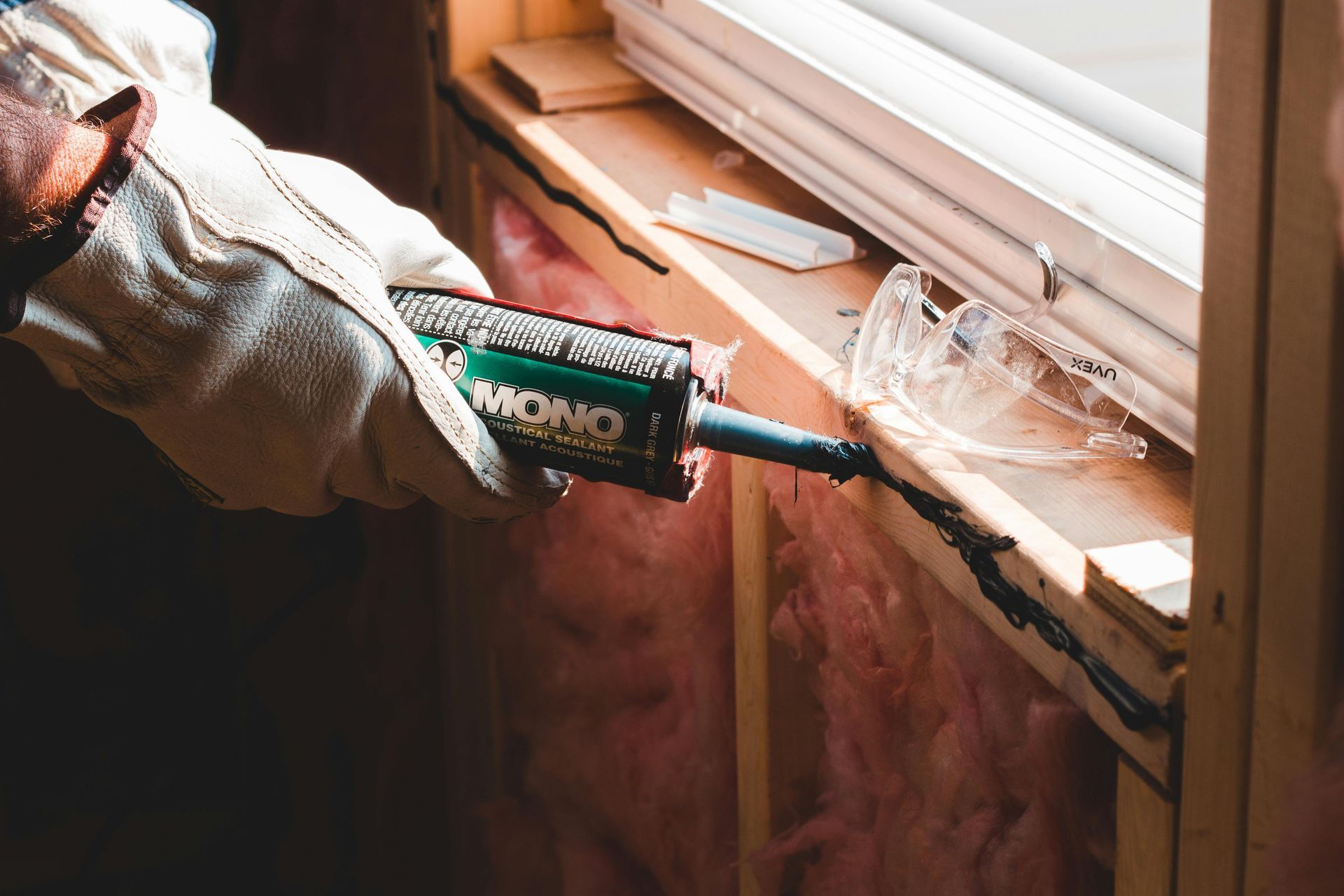
Case study — a monitoring program that prevented large-scale damage (illustrative)
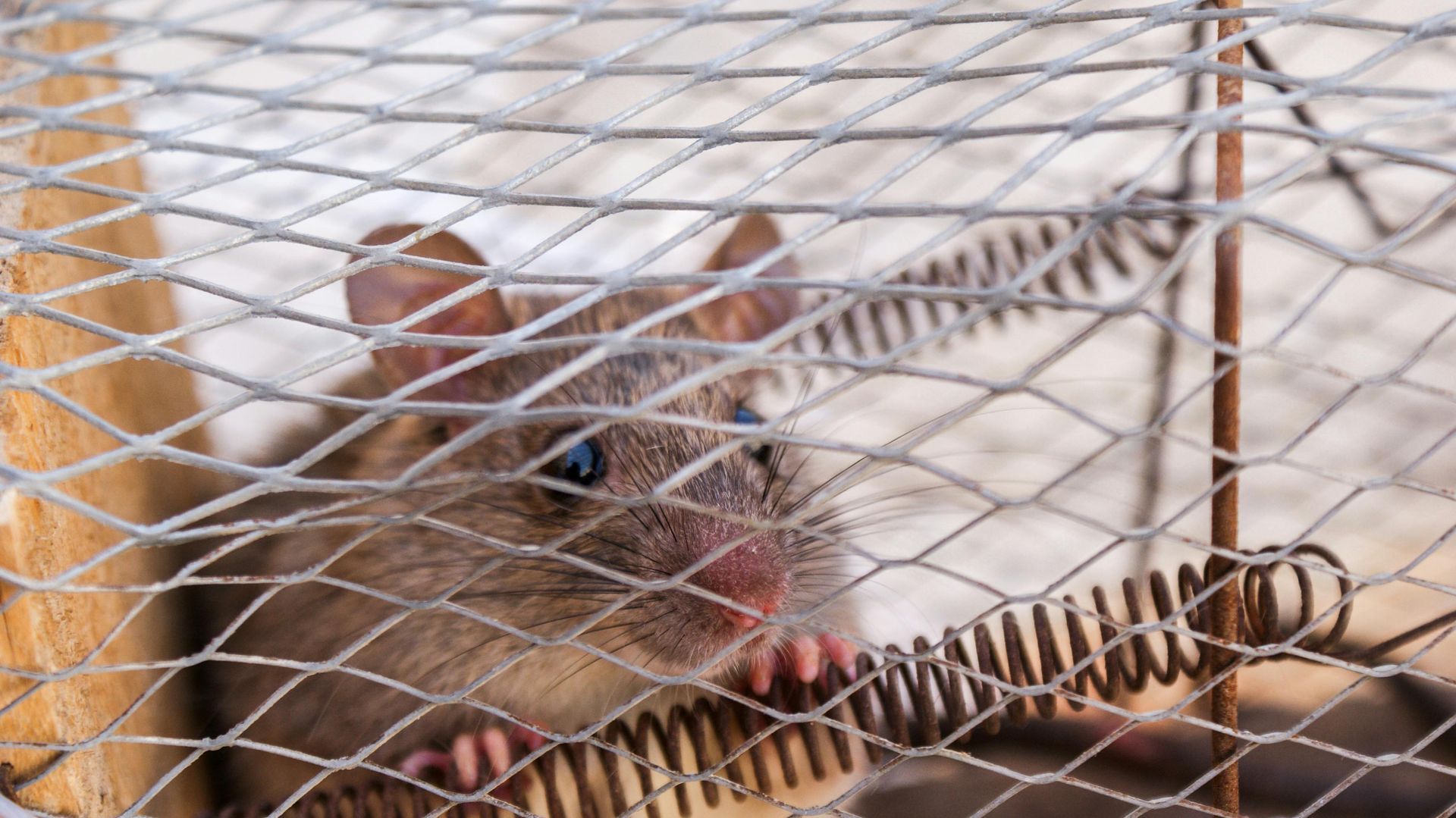
A commercial warehouse implemented a quarterly monitoring program after a minor rodent sighting. During routine visits, technicians found increased droppings near a loading bay. Early intervention with targeted baiting, exclusion at the loading door, and waste management training prevented a broader infestation and protected stored inventory. The documented program also satisfied a client food-safety audit requirement.
Residential monitoring and protection
For homeowners in high-risk areas or those who want early detection, we offer residential monitoring services:
- Seasonal checks for termites, rodents, and carpenter ants
- Installation of rodent bait stations and insect monitors
- Inspection reports that guide homeowner action and maintenance
- Follow-up visits to implement exclusion work as needed
Commercial monitoring and IPM programs
We design commercial monitoring programs to align with:
- HACCP and food safety plans
- Property management preventive maintenance schedules
- Regulatory and audit requirements
- Budget and operational constraints
Monitoring technologies and methods
- Passive monitoring devices: glue boards, pheromone traps, and bait stations for regular checks
- Active monitoring strategies: inspection cameras, moisture meters, and thermal imaging for hidden activity
- Electronic recordkeeping: logs that allow trend analysis and timely corrective action
- Canine detection (where applicable) for specialized inspections such as low-level bed bug infestations
Why Island Pest Control for monitoring
Local experience with Vancouver Island pest pressures since 1976
Trained technicians who understand data-driven pest control
Documentation suitable for commercial audits and property management needs
Focus on prevention and reduced chemical reliance
Rapid escalation protocols when monitoring indicates increasing activity
Frequently asked questions (FAQs)
How often should monitoring be performed?
Frequency depends on risk: high-risk commercial sites may require weekly or bi-weekly checks; residential properties in high-risk zones may benefit from seasonal or quarterly monitoring.
Will monitoring eliminate pests?
Monitoring itself does not eliminate pests but is essential for early detection and targeted control. It reduces the need for broad treatments and guides effective interventions.
Do you provide digital reports?
Yes. We provide clear, written reports tailored to client needs. Commercial clients can receive documentation formatted for audits and compliance reviews.
Can monitoring help reduce pesticide use?
Absolutely. By identifying when and where pests are active, treatments are applied precisely, reducing unnecessary pesticide use and exposure.
How quickly do you respond if monitoring shows increased activity?
Our standard protocols include rapid escalation. For commercial clients, we offer emergency response windows and prioritized visits when monitored activity rises.
Contact and next steps
Protect your property proactively with a professional pest monitoring program. Call Island Pest Control at
(250) 616-9094 to schedule an initial risk assessment and start a monitoring plan tailored to your property and needs. Our approach provides early detection, documented trends, and targeted control to keep pests from becoming costly problems.
We look forward to restoring your peace of mind and protecting your property with responsible, effective pest control.